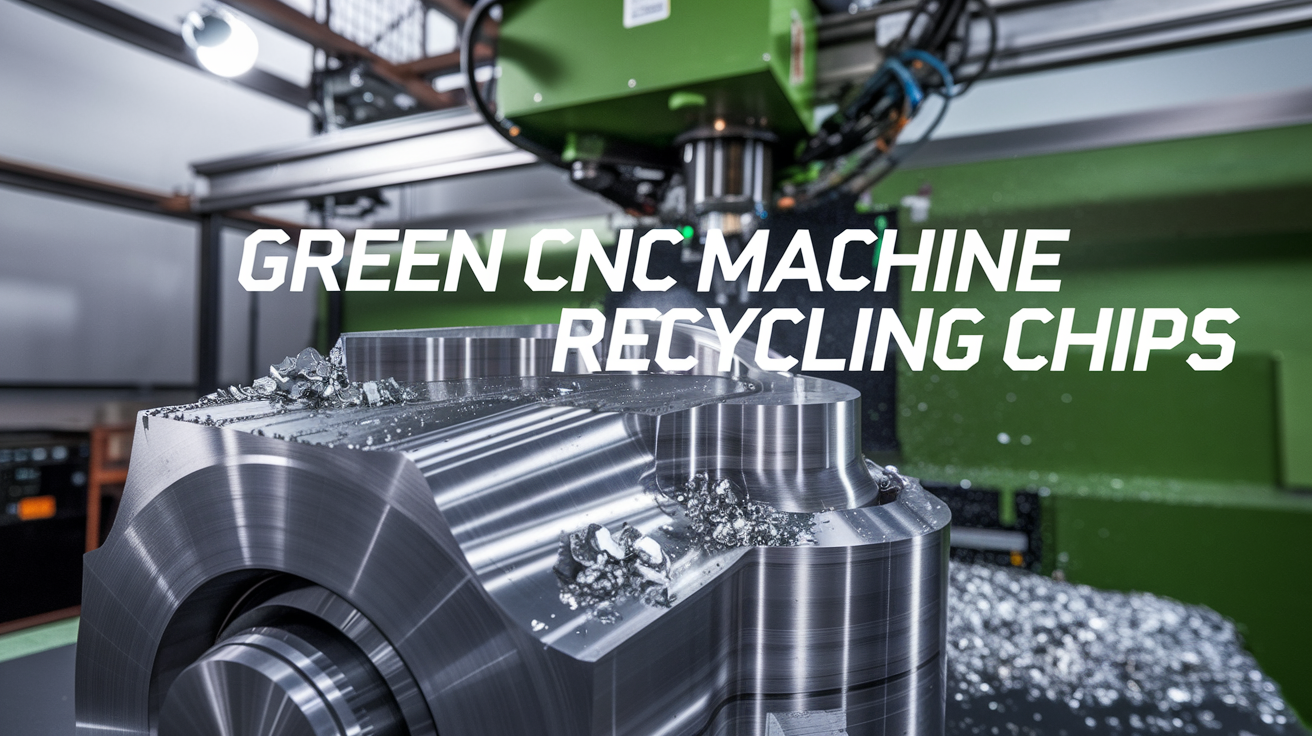
Sustainable CNC Machining Practices: Metal Chip Recycling and Energy Efficiency ROI for Indian Job Shops
Complete guide to sustainable CNC machining in India. Metal chip recycling, energy efficiency, ESG compliance, and ROI calculations for job shops.
As Indian manufacturing embraces sustainability, CNC job shops face mounting pressure to reduce their environmental footprint while maintaining profitability. With India's CNC machining market growing at 10% CAGR and government initiatives like Make in India emphasizing green manufacturing, sustainable machining practices are no longer optional—they're essential for competitiveness.
I'm Manish Bandi, founder of Unimake Works in Hyderabad, and over my 5+ years in CNC machining, I've seen firsthand how sustainability investments deliver tangible returns. This guide provides practical strategies for Indian job shops to implement metal chip recycling, energy-efficient operations, and ESG compliance while improving your bottom line.
Why Sustainable CNC Machining Matters for Indian Manufacturers
The business case for sustainable CNC machining in India is compelling. Beyond environmental responsibility, three critical factors drive adoption:
First, raw material costs continue rising. Aluminum prices in India fluctuate between ₹180-220 per kg, while steel ranges from ₹50-80 per kg. Metal chip recycling can recover 15-30% of material costs, directly impacting profit margins on every job.
Second, energy expenses consume 12-18% of typical CNC shop operating costs. With industrial electricity rates in India averaging ₹6-9 per kWh across states, energy-efficient machines and practices deliver immediate cost savings.
Third, export-oriented manufacturers face increasing ESG compliance requirements from international buyers. European and American OEMs now mandate sustainability reporting from their supply chain partners. Job shops demonstrating green credentials secure better contracts and premium pricing.
The Indian government's Production Linked Incentive (PLI) schemes also favor manufacturers with documented sustainability practices, offering additional financial benefits for compliant facilities.
Metal Chip Recycling: Turning Waste into Revenue
Metal chips represent the largest waste stream in CNC machining, typically comprising 30-50% of raw material input. Implementing systematic chip recycling transforms this waste into a revenue source.
Types of Metal Chips and Their Recovery Value
Different machining operations produce varying chip types with distinct recycling values:
Aluminum chips fetch ₹120-140 per kg from authorized recyclers—approximately 65-70% of virgin material cost. A medium-sized job shop producing 200 kg monthly aluminum waste can generate ₹24,000-28,000 additional revenue annually.
Steel chips command ₹30-40 per kg, while stainless steel achieves ₹45-60 per kg. Brass and copper chips offer the highest returns at ₹280-320 per kg and ₹420-480 per kg respectively.
Chip quality significantly affects pricing. Clean, oil-free chips separated by material type fetch premium rates. Contaminated mixed chips may receive 30-40% lower pricing or face rejection.
Setting Up an Effective Chip Management System
Successful chip recycling requires systematic collection and processing:
Install separate collection bins for each material type at every CNC machine. Color-coded containers prevent mixing—use blue for aluminum, red for steel, yellow for brass. This segregation alone can increase recycling revenue by 25-35%.
Implement dry machining or minimum quantity lubrication (MQL) where possible. Reducing coolant contamination improves chip cleanliness and value. For wet machining operations, invest in chip centrifuges (₹45,000-1,20,000) or wringer systems (₹25,000-65,000) to remove coolant before recycling.
Partner with certified recyclers who provide documentation for ESG reporting. Companies like Attero Recycling, Gravita India, and regional scrap dealers offer pickup services for quantities above 500 kg monthly.
For smaller shops, consider cooperative arrangements with nearby manufacturers to achieve minimum volumes for better pricing and regular pickup schedules.
Energy Efficiency Strategies for CNC Operations
Energy consumption in CNC machining extends beyond spindle power. Comprehensive efficiency requires optimizing multiple systems.
Machine-Level Energy Optimization
Modern CNC machines incorporate energy-saving features that older equipment lacks:
Variable frequency drives (VFDs) on spindle motors reduce power consumption during low-load operations by 20-30%. Retrofitting VFDs to existing machines costs ₹35,000-85,000 per unit with 18-24 month payback periods.
Automatic standby modes power down non-essential systems during idle periods. A 3-axis VMC consuming 8 kW at full operation drops to 1.5-2 kW in standby, saving ₹42,000-65,000 annually if idle 40% of shifts.
When procuring new equipment, prioritize machines with ISO 14955 energy efficiency certification. Energy-efficient models may cost 8-12% more upfront but deliver 15-25% lower operating costs over their 10-15 year lifecycle.
Auxiliary Systems Energy Reduction
Support systems often consume more power than machining operations:
Coolant systems typically run continuously regardless of machining status. Installing flow control systems that activate only during cutting reduces pump energy by 35-45%. Smart coolant controllers cost ₹18,000-42,000 with 12-18 month ROI.
Compressed air for chip clearing represents significant energy waste. A 7.5 HP compressor running continuously consumes 5.5 kW, costing ₹2,75,000 annually at ₹7 per kWh. Replacing continuous air blast with pulsed nozzles cuts consumption by 40-50%.
LED lighting retrofits reduce facility lighting costs by 60-70%. Converting a 2,000 sq ft shop from fluorescent to LED costs ₹45,000-75,000 with 2-3 year payback.
HVAC optimization through proper insulation, strategic ventilation, and temperature zoning can reduce climate control costs by 25-35% in Indian facilities where cooling dominates energy use.
Sustainable Coolant and Lubricant Practices
Cutting fluids present environmental and cost challenges. Sustainable alternatives and management practices reduce both impact and expenses.
Biodegradable and Eco-Friendly Coolants
Vegetable-based cutting fluids derived from coconut, palm, or soybean oils offer environmental advantages over petroleum products. These bio-lubricants decompose naturally, reducing disposal complications and costs.
Bio-coolants cost 15-25% more than conventional fluids initially—₹280-350 per liter versus ₹220-280 for synthetic coolants. However, superior lubricity extends tool life by 10-15%, offsetting higher fluid costs through reduced tooling expenses.
Indian manufacturers like Castrol India, Veedol, and regional suppliers now offer bio-based machining fluids suitable for aluminum and steel operations. These products meet RoHS and REACH compliance standards required for export manufacturing.
Coolant Life Extension and Recycling
Proper coolant management dramatically reduces fluid consumption and disposal costs:
Implement centralized coolant systems serving multiple machines. Centralization enables better filtration, maintenance, and monitoring compared to individual sumps. Bacterial contamination decreases, extending coolant life from 3-4 months to 8-12 months.
Install continuous filtration systems removing particles down to 10-25 microns. Clean coolant cuts tool wear by 15-20% while extending fluid life. Filtration systems cost ₹55,000-1,85,000 depending on capacity, with payback through reduced coolant purchases and disposal fees.
Regular concentration monitoring using refractometers (₹2,500-8,500) prevents over-dilution that wastes coolant and under-concentration that causes poor machining and bacterial growth.
Partner with coolant recycling services that reclaim used fluids. Disposal of contaminated coolant costs ₹12-18 per liter as hazardous waste. Recycling services charge ₹6-10 per liter while handling environmental compliance documentation.
Renewable Energy Integration for CNC Shops
Solar power offers Indian manufacturers stable, predictable energy costs immune to grid rate increases.
A typical CNC job shop consuming 3,000-5,000 kWh monthly can install a 25-30 kW rooftop solar system for ₹12-15 lakhs. With accelerated depreciation benefits and state subsidies, effective costs drop to ₹9-11 lakhs.
Solar systems generate electricity at ₹3-4 per kWh over their 25-year lifespan—50-60% below grid rates in most Indian states. For shops with ₹50,000-80,000 monthly electricity bills, solar delivers ₹25,000-45,000 monthly savings with 4-5 year payback periods.
Hyderabad, Bangalore, Pune, and Chennai offer particularly favorable conditions with 5-6 peak sun hours daily and progressive net metering policies allowing excess generation credits.
Battery storage systems (₹2-3.5 lakhs for 10 kWh capacity) enable operations during grid outages, eliminating costly production downtime and generator fuel expenses.
Comparative Analysis: Sustainability Investment Returns
Sustainability investments deliver varying ROI timelines. This comparison helps prioritize initiatives based on your shop's specific situation:
Initiative | Initial Investment | Annual Savings | Payback Period | Environmental Impact
Metal chip segregation & recycling | ₹15,000-35,000 | ₹45,000-1,20,000 | 3-9 months | Reduces landfill waste 95%+
LED lighting retrofit | ₹45,000-75,000 | ₹24,000-38,000 | 2-3 years | 60% energy reduction
Coolant filtration system | ₹55,000-1,85,000 | ₹65,000-1,45,000 | 10-18 months | Reduces coolant disposal 70%
VFD retrofits (per machine) | ₹35,000-85,000 | ₹42,000-78,000 | 18-24 months | 20-30% machine energy reduction
Solar power system (25-30 kW) | ₹9-11 lakhs | ₹3-5.4 lakhs | 4-5 years | 80-90% renewable energy
Minimum quantity lubrication | ₹85,000-2,25,000 | ₹95,000-1,85,000 | 12-20 months | 95% coolant reduction
Quick Wins for Immediate Impact
Start sustainability efforts with low-investment, high-return initiatives:
Implement chip segregation immediately at zero cost beyond collection containers. Train operators on proper separation during their existing workflow.
Optimize machine standby settings through existing controls. This software configuration requires no capital investment while delivering 8-12% energy savings.
Negotiate bulk coolant purchases with extended payment terms, then implement proper concentration monitoring. The refractometer investment pays for itself within 2-3 months through reduced waste.
Schedule high-power operations during off-peak electricity hours when time-of-use rates are lowest. Many Indian states offer 30-40% lower rates during night shifts.
ESG Compliance and Certification for Indian CNC Shops
Documenting sustainability practices opens doors to premium customers and government incentives.
ISO 14001 environmental management certification costs ₹1.2-2.5 lakhs including consultant fees and audit expenses. This internationally recognized standard demonstrates systematic environmental management to global buyers.
The certification process typically requires 4-6 months, documenting energy consumption, waste management, emissions, and continuous improvement initiatives—exactly the practices discussed in this guide.
Many export-oriented Indian manufacturers report 10-15% revenue increases post-certification through access to European and American OEMs with mandatory supplier sustainability requirements.
The Indian government's ZED (Zero Defect Zero Effect) certification specifically targets MSMEs, offering subsidized assessment (50-80% subsidy) and recognition that improves competitiveness in government procurement.
Maintain detailed records of recycling quantities, energy consumption, and coolant disposal. This documentation supports ESG reporting, carbon footprint calculations, and demonstrates compliance during customer audits.
Conclusion: Building a Profitable, Sustainable CNC Operation
Sustainable CNC machining in India represents a strategic business decision, not merely environmental responsibility. The practices outlined deliver measurable financial returns while positioning your job shop for future regulatory requirements and customer preferences.
Start with chip recycling and energy optimization—the quickest payback initiatives. As savings accumulate, reinvest in larger projects like solar installation and advanced coolant systems.
The Indian CNC industry's 10% annual growth creates opportunities for manufacturers who differentiate through sustainability credentials. As procurement managers increasingly factor environmental practices into supplier selection, your green investments become competitive advantages.
At Unimake Works, implementing these practices reduced our operating costs by 18% while securing contracts with European medical device manufacturers requiring ISO 14001 certification. The sustainability journey improved profitability while contributing to India's manufacturing evolution.
Your CNC shop's sustainable transformation begins with a single initiative. Choose one practice from this guide, implement it this month, measure results, and expand from there. The combination of cost savings, customer access, and environmental impact makes sustainable machining the smartest investment Indian job shops can make in 2026.
Get Precision CNC Parts from Unimake Works
Looking for high-quality CNC machined parts? Get a free quote today.