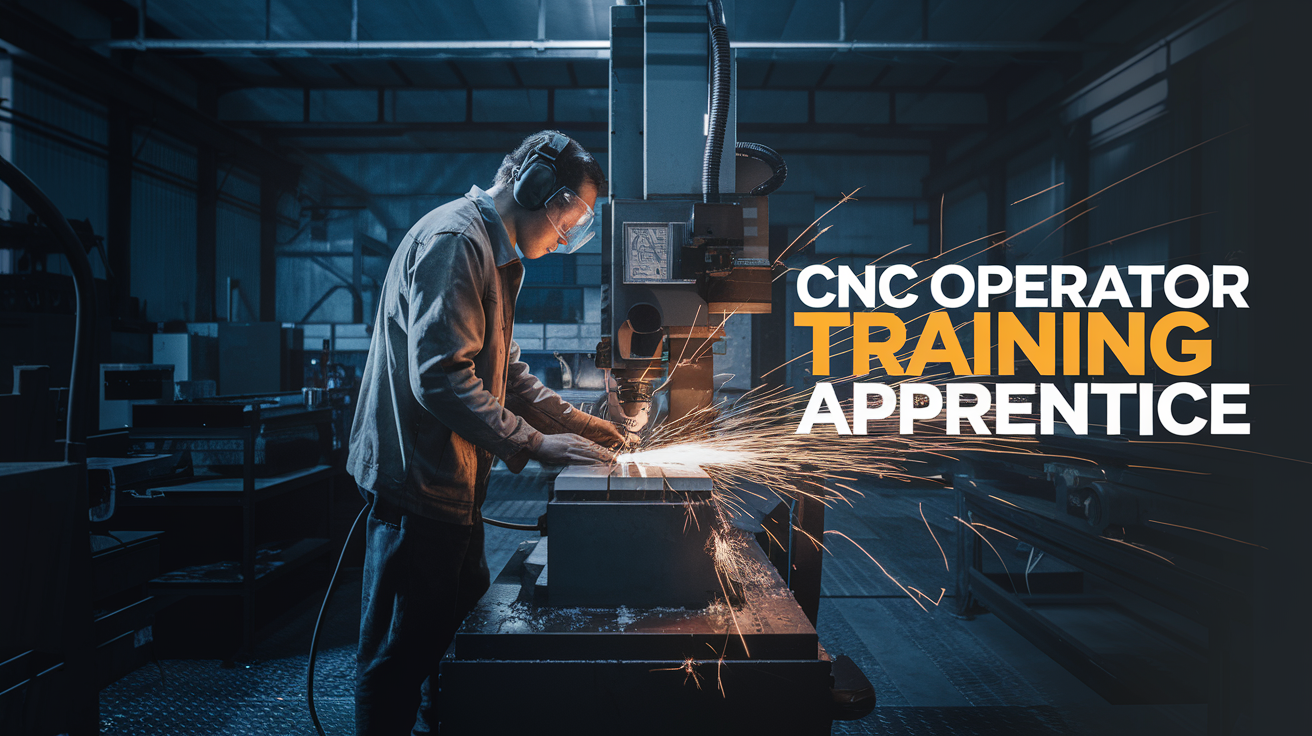
Solving India's CNC Skilled Workforce Crisis: Training Programs, Apprenticeships, and Automation Strategies for 2026
Practical solutions for India's CNC operator shortage: training programs, apprenticeships, and automation strategies. Address the 29M skill gap now.
As the founder of Unimake Works in Hyderabad, I've witnessed firsthand how the skilled workforce shortage has become the single biggest bottleneck for CNC manufacturers across India. When I started five years ago, finding trained CNC operators was challenging. In 2026, it's reached crisis levels.
India faces a staggering 29-million skill deficit by 2030, with only 4.69% of our workforce having formal vocational training. For CNC manufacturing specifically, this translates to production delays, quality issues, and lost contracts. Gujarat alone needs 3 million skilled workers, including thousands of CNC operators and programmers.
This isn't just a hiring problem—it's threatening India's Make in India initiative and our competitiveness in global manufacturing. But there are proven solutions combining workforce development with strategic automation that I've implemented and seen work across Indian shops.
Understanding the Real Impact of CNC Workforce Shortage
The numbers tell a sobering story. At Unimake Works, we've had to turn down projects worth ₹15-20 lakhs because we couldn't find qualified operators to run additional shifts. We're not alone.
Across India, CNC shops are operating at 60-70% capacity not because of machine availability, but due to operator shortages. The average time to fill a CNC programmer position has increased from 45 days in 2023 to 120+ days in 2026. Salary expectations have jumped 35-40% in the same period, with experienced 5-axis operators commanding ₹50,000-75,000 monthly in metro areas.
The skill gap manifests in three critical areas:
Operator-level skills: Basic CNC operation, tool changes, offset adjustments, and quality checks. These roles traditionally required 6-12 months training but now shops are hiring with minimal experience due to desperation.
Programming expertise: CAM software proficiency, G-code optimization, and complex part programming. This typically needs 2-3 years of experience, but the pipeline is nearly dry.
Maintenance capabilities: Preventive maintenance, troubleshooting, and machine optimization. The most critical shortage as experienced technicians retire faster than we can train replacements.
Government Training Programs and Their Effectiveness
The government has launched several initiatives, but their real-world impact varies significantly. Here's what actually works:
Pradhan Mantri Kaushal Vikas Yojana (PMKVY)
PMKVY offers short-term CNC operator training (200-300 hours) through authorized training centers. The program is free for candidates and provides ₹8,000 average monetary reward upon certification.
From my experience partnering with PMKVY centers, graduates need an additional 3-4 months of on-the-job training before becoming productive. However, the program provides a solid foundation in safety, basic operations, and manufacturing principles.
Key advantage: Zero cost for trainees, government certification that's recognized across industries.
Limitation: Curriculum sometimes lags behind current CNC technology, particularly in areas like multi-axis machining and advanced CAM software.
Industrial Training Institutes (ITIs)
ITI machinist and CNC operator courses run 1-2 years and are available in most districts. The revised curriculum under the National Skill Qualification Framework now includes hands-on CNC training.
The challenge? Equipment. Many ITIs still train on outdated 3-axis mills from the 1990s. When graduates enter modern shops with Fanuc 0i-MF or Siemens 828D controllers, there's a steep learning curve.
Best practice I've seen: Companies like Bharat Forge and Tata Technologies have adopted specific ITIs, providing equipment donations and curriculum input. These partnership ITIs produce significantly better candidates.
National Apprenticeship Promotion Scheme (NAPS)
NAPS reimburses 25% of stipend costs (up to ₹1,500 per month) for companies taking apprentices. For CNC shops, this makes apprenticeship programs financially viable.
We've run NAPS apprenticeships at Unimake Works for two years. The 12-month program costs us approximately ₹10,000 monthly per apprentice after government reimbursement. By month 8-9, apprentices are contributing meaningfully to production.
Critical success factor: Structured curriculum with weekly progression targets, not just using apprentices as cheap labor.
Industry-Led Training Solutions That Work
Beyond government programs, industry initiatives are showing promising results:
Machine Tool Manufacturer Training Centers
DMG Mori, Haas, Mazak, and ACE Micromatic all operate training centers in India. These 2-6 week intensive programs cost ₹25,000-75,000 but provide hands-on experience with current technology.
For shops standardized on specific machine brands, sending operators for manufacturer training delivers immediate ROI. Our investment of ₹65,000 for two operators to complete Haas Mill Training reduced our setup times by 30% within three months.
Sector Skills Councils
The Capital Goods Skill Council (CGSC) has developed industry-aligned competency frameworks for CNC roles. Their assessment and certification program helps standardize skill expectations.
More importantly, CGSC connects training providers with industry needs. Their quarterly reports on skill gaps help training institutes adjust curricula—something that didn't exist when I started.
In-House Training Programs
Larger manufacturers are building comprehensive internal training programs. Sundram Fasteners, for example, runs a 6-month CNC technician program that combines classroom theory with supervised production work.
For smaller shops like ours, full in-house programs aren't feasible. Instead, we've implemented a buddy system where experienced operators spend 2 hours daily training juniors, with documented skill progression checklists. This structured approach has reduced our training time by 40% compared to informal on-the-job learning.
Automation as a Workforce Multiplier
Here's the controversial truth: we can't train our way out of this crisis fast enough. Automation must be part of the solution—not to replace workers, but to multiply their effectiveness.
Automation Strategies by Shop Size and Budget
The table below outlines realistic automation investments for different shop profiles:
Shop Profile | Investment Range (INR) | Automation Strategy | Workforce Impact | Payback Period
Small Shop 2-4 Machines | ₹8-15 lakhs | Bar feeders, tool presetting, automated measurement | 1 operator manages 2 machines instead of 1 | 18-24 months
Medium Shop 5-10 Machines | ₹25-50 lakhs | Robotic loading, pallet systems, lights-out capability for simple parts | Reduce operator touch time by 60%, run unmanned 2nd shift | 24-30 months
Large Shop 10+ Machines | ₹1-3 crores | Full automation cells, AGVs, integrated quality inspection | Shift workforce from operation to supervision and programming | 30-36 months
Job Shop High Mix | ₹12-25 lakhs | Quick-change workholding, offline programming, simulation software | Reduce setup times 40-50%, maximize skilled operator productivity | 20-26 months
At Unimake Works, we invested ₹12 lakhs in bar feeders and Renishaw tool setting in 2025. This allowed our single night-shift operator to manage two machines simultaneously, effectively increasing our capacity by 40% without hiring additional staff we couldn't find.
The Right Automation Mindset
Automation should target the 3 D's: Dirty, Dangerous, and Dull tasks. Loading bar stock for 8 hours is dull. Let automation handle it while operators focus on setup, optimization, and problem-solving—the skills that actually require human expertise.
This approach also makes CNC jobs more attractive to younger workers who want to work with technology, not just manually load parts.
Practical Implementation Roadmap for CNC Shops
Based on five years of navigating this challenge, here's what actually works:
Immediate Actions (0-3 Months)
Conduct skills audit: Document current capabilities and gaps using CGSC competency frameworks. Identify which roles are critical bottlenecks.
Partner with local ITIs: Offer facility tours, guest lectures, and project opportunities. Build relationships before you desperately need to hire.
Optimize existing workforce: Can experienced operators train during low-production periods? Can documentation reduce dependency on tribal knowledge?
Implement NAPS apprenticeships: Start with 2-3 apprentices. The financial risk is minimal with government support.
Medium-term Strategy (3-12 Months)
Develop structured training curriculum: Document standard operating procedures, create training checklists, and establish competency milestones.
Invest in entry-level automation: Bar feeders, quick-change tooling, or offline programming—whatever reduces the skill threshold for your most common operations.
Build employer brand: Young people don't know CNC careers exist. Post content showing your shop, technology, and career paths. We've hired three operators through Instagram in the past year.
Establish retention incentives: Skill-based pay progression, clear advancement paths, and training opportunities. Replacing an experienced operator costs ₹3-5 lakhs in recruitment and training time.
Long-term Transformation (1-3 Years)
Create apprentice-to-employee pipeline: Plan for 30-40% of workforce to be in training at any time. This seems excessive until you realize it ensures continuous skill development.
Advance to lights-out operations: For suitable parts, develop unmanned running capabilities. This doesn't eliminate operators—it redeploys them to higher-value activities.
Build internal specialization: Develop deep expertise in specific industries or processes. Specialists command better wages and are easier to retain than generalists.
Collaborate with educational institutions: Work with engineering colleges on curriculum development, internships, and applied research projects. Build the long-term pipeline.
The ROI of Addressing Workforce Shortage
Every month you operate below capacity due to workforce shortage costs real money. A single CNC machining center running at 70% capacity instead of 90% loses approximately ₹2.5-3 lakhs monthly in potential revenue.
Investing ₹15-20 lakhs annually in combined training programs and entry-level automation typically delivers 200-300% ROI within two years through increased capacity, reduced overtime costs, and improved quality.
More importantly, companies with structured workforce development programs report 45-50% better retention rates. Given that replacing a skilled CNC operator costs ₹3-5 lakhs in recruitment, training, and productivity loss, retention improvements alone justify the investment.
What I've Learned at Unimake Works
Five years ago, I thought the workforce challenge was temporary—just a hiring problem. Now I understand it's a permanent condition requiring systematic solutions.
We've implemented apprenticeships through NAPS, invested in automation to multiply our team's effectiveness, and built structured training programs. Our operator turnover dropped from 40% annually to under 15%. Our capacity increased 35% with the same headcount through smart automation.
The shops that will thrive in India's CNC sector aren't those with the newest machines—they're the ones who solve the workforce equation through training, retention, and intelligent automation.
The crisis is real, but the solutions exist. The question is whether you'll implement them before your competitors do.
The skilled workforce shortage isn't going away. But with the right combination of government programs, industry training, strategic automation, and systematic internal development, Indian CNC manufacturers can turn this challenge into a competitive advantage. Start today—your future capacity depends on it.
Get Precision CNC Parts from Unimake Works
Looking for high-quality CNC machined parts? Get a free quote today.